Followers

Tuesday, July 13, 2021


Shaivism.........SAIVA SAMAYAM

  சைவ நாற்பாதங்கள்

https://ta.wikipedia.org/s/hoo

கட்டற்ற கலைக்களஞ்சியமான விக்கிப்பீடியாவில் இருந்து.


சைவ நாற்பாதங்கள் என்பது சைவ மக்கள் பிறவித் துன்பம் நீங்கி பிறவாமையாகிய பேரின்பத்தை வேண்டி, இறைவனின் பாதங்களை அடைவதற்கு அனுசரிக்க வேண்டிய படிமுறைகளாகும். இதன் மறுபெயர்களாக சைவ நன்னெறிகள், சைவ நாற்படிகள், சிவ புண்ணியங்கள், நால்வகை நெறிகள் என்பன அறியப்படுகின்றன. [1]

சைவ நாற்பதங்களின் பட்டியல் கீழே.

1.   சரியை - தாதமார்க்கம் (தாச மார்க்கம்)

2.   கிரியை - சற்புத்திர மார்க்கம்

3.   யோகம் - சகமார்க்கம்

4.   ஞானம் - சன்மார்க்கம் [2]

பொருளடக்கம்

·         1சரியை

·         2கிரியை

·         3யோகம்

·         4ஞானம்

·         5பொது விளக்கம்

·         6மேற்கோள்களும் குறிப்புகளும்

சரியை...............

முதன்மைக் கட்டுரை: சரியை

சரியை சைவ நாற்பாதங்களில் முதலாவது படியாகக் கூறப்படுவதாகும். அன்பின் துணையோடு உடம்பினால் செய்யும் இறைபணிகள் அனைத்தும் சரியை நெறியாகும். [3] இலகுவில் செய்யக்கூடிய ஆரம்ப முயற்சியான இதற்குத் தூய தெய்வ பக்தியில் இறையம்சமும் துணை நிற்கவேண்டும்.

ஆலயங்களில் இறைவனை வழிபடல், வழிபாட்டின் பொருட்டுத் திருக்கோயிலைக் கூட்டுதல், மெழுகுதல், கழுவுதல், திருவிளக்கு ஏற்றல், திருநந்தவனம் அமைத்தல், பூ எடுத்தல், பூமாலை தொடுத்தல், இறைவன் புகழ் பாடுதல், சிவனடியார்களைக் கண்டால் அவர்களை வணங்கி அவர்களுக்குச் சேவை செய்தல், உழவாரப்பணி செய்தல், பழங்கோயில்களை வேண்டும் அளவில் புதுப்பித்தல், புராணபடனம் செய்தல், கேட்டல், புராணக் கதை படித்தல், யாத்திரை செய்தல் ஆகியவையும் சரியையில் அடங்கும்.

·         சரியையிற் சரியை - சரியை நெறியில் திருக்கோயிலில் திருவிளக்கிடுதல் முதலான தொண்டுகள்.

·         சரியையிற் கிரியை - ஒருமூர்த்தியை வழிபடல்.

·         சரியையில் யோகம் - வழிபடும் கடவுளையும் சிவனையும் தியானித்தல்.

·         சரியையில் ஞானம் - சரியை வழிபாட்டால் அனுபவம் வாய்க்கப் பெறுவது.

திருநாவுக்கரசர் சரியை நெறி நின்றே இறைவனை வழிபாடு செய்தார்.

கிரியை..............

முதன்மைக் கட்டுரை: கிரியை

கிரியை சைவ நாற்பாதங்களில் இரண்டாவது படியாகக் கூறப்படுவதாகும். மந்திர தந்திரங்களைக் குரு மூலமாக அறிந்து சமய, விஷேட, நிர்வாண தீட்சைகளைப் பெற்றோர் மேற்கொள்ளும் வழிபாட்டு முறை கிரியைநெறியாகும். தம்பொருட்டு தம்மளவில் செய்யும் ஆன்மார்த்த பூசையும், பிறர் பொருட்டு ஆலயங்களில் செய்யப்படும் பரார்த்த பூசையும் இந்நெறியுள் அடங்கும். மந்திரங்களை ஓதுவது கிரியை என்று முரு பழ இரத்தினம் செட்டியார் குறிப்பிடுகிறார் [4]

திருமலர்கள், திருமஞ்சனம் முதலியவற்றால் ஒப்பனை, தூபம், தீபம், உபசாரங்களை ஏற்படுத்தல், வலம்செய்தல், பணிதல் தோத்திரம் என்பவற்றைச் செய்து வேண்டி நிற்றல்(பிரார்த்தனை) என்னும் இவ்வகைத் தொண்டே கிரியையாகும்.

·         கிரியையிற் சரியை - பூசைப் பொருட்களைத் திரட்டல்.

·         கிரியையிற் கிரியை - புறத்தில் பூசித்தல்.

·         கிரியையில் யோகம் - அகத்தில் பூசித்தல்.

·         கிரியையில் ஞானம் - மேற்கூறிய கிரியைகளால் ஓர் அனுபவம் வாய்க்கப் பெறுதல்.

திருஞானசம்பந்தர் கிரியை நெறியில் நின்றே இறைவனை வழிபாடு செய்தார்.

யோகம்..................

முதன்மைக் கட்டுரை: யோகம்

யோகம் சைவ நாற்பாதங்களில் மூன்றாவது படியாகக் கூறப்படுவதாகும். சரியை, கிரியை ஆகிய நெறிகளை விட மேலானதாக இந்நெறி சாத்திர நூல்களில் கூறப்படுகின்றது. இதற்கு இயமம், நியமம், ஆசனம், பிராணாயாமம், பிரத்தியாகாரம், தாரணை, தியானம், சமாதி ஆகிய அட்டாங்க யோக உறுப்புக்கள் உள்ளன. இவ்வட்டாங்க யோகங்களிலும் பயிற்சி பெற்று படிப்படியாகத் தேறியவரே யோக நெறியை அனுசரிக்க முடியும். இதனை யோகியரிடம் பயின்ற திடசித்த முடையவர்களே அனுட்டித்து ஈடேற முடியும்.

·         யோகத்திற் சரியை - இயமம், நியமம், ஆசனம், பிராணாயாமம்.

·         யோகத்திற் கிரியை - பிரத்தியாகாரம், தாரணை.

·         யோகத்தில் யோகம் - தியானம்.

·         யோகத்தில் ஞானம் - சமாதி.

சுந்தரமூர்த்தி நாயனார் யோக நெறி நின்றே இறைவனை வழிபாடு செய்தார்.

ஞானம்...................

முதன்மைக் கட்டுரை: ஞானம்

ஞானம் சைவ நாற்பாதங்களில் நாலாவது படியாகக் கூறப்படுவதாகும். ஞானமானது ஆன்மாவாகிய தன்னை சிவார்ப்பதிதஞ் செய்தல். அதாவது சிவனை உருவம், அருவம், அருவுருவம் ஆகிய மூன்று திருமேனிகளையும் கடந்து சச்சிதானந்தப் பிழம்பாய் நீக்கமற எங்கும் நிறைந்திருக்கும் இறைவனை அறிவால் வழிபடுதலாகும். கேட்டல், சிந்தித்தல், தெளிதல், நிட்டை கூடல் என்னும் நான்கு அங்கங்கள் இந்நெறிக்கு உண்டு. முன்னைய மூன்று நெறிகளிலும் நின்று பக்குவம் பெற்ற சாதகனை இறைவன் குரு வடிவிலே வந்து தீட்சை உபதேசம் செய்து ஞானத்தை அளித்து முத்தியை வழங்குவார்.

·         ஞானத்திற் சரியை - ஞானநூல்களைக் கேட்டல்.

·         ஞானத்திற் கிரியை - ஞானநூல்களைச் சிந்தித்தல்.

·         ஞானத்தில் யோகம் - ஞானநூல்களைத் தெளிதல்.

·         ஞானத்தில் ஞானம் - ஞான நிட்டை கூடல்.

மாணிக்கவாசகர் ஞான நெறி நின்றே இறைவனை வழிபாடு செய்தார்.

பொது விளக்கம்............

நாம் மனிதப் பிறவி எய்தியதன் நோக்கம், இறைவன் நமக்குக் கொடுத்தருளிய உடம்பு, அறிகருவிகள், உலகம், நுகர்வுப் பொருட்கள் ஆகியவற்றைக் கொண்டு, இறைபணி நின்று, முத்தி அடைவதே ஆகும். முத்தியடைவதற்கு மெய்யுணர்வாகிய ஞானத்தைப் பெறுதல் வேண்டும். அந்த ஞானத்தைப் பெறுவதற்குச் சாதனமாகச் சரியை, கிரியை, யோகம் என்பவற்றைச் சைவாகமங்கள் எடுத்துக் கூறுகின்றன. சிவாகமங்கள் இருபத்தெட்டும் சரியா பாதம், கிரியாபாதம், யோகபாதம், ஞானபாதம் எனத் தனித்தனியே நான்கு பாதங்களை உடையன. சரியை, கிரியை, யோகம், ஞானம் ஆகிய நான்கும் நாம் இறைவனை அடைவதற்குரிய சாதனங்களாதால் இவை சைவ சாதனங்கள் என்றுஞ் சொல்லப்படும். நம் புற வாழ்வையும் அக வாழ்வையும் நெறிப்படுத்தி, ஈற்றில் வீடுபேற்றைத் தரும் சாதனங்களே இவை. ஆகவே இவற்றிடையே ஏற்றத்தாழ்வு கூறுமுடியாது.

முத்தியில் நாட்டமுடையவர்கள் இவற்றுள் எதனைப் பின்பற்றி ஒழுகினாலும் அது முடிவிலே ஞானத்துக்கு இட்டுச் சென்று இறைவனோடு இரண்டறக் கலத்தலாகிய பரமுத்தியை நல்கியே விடும். ஞானத்தை நாம் ஒரு கனிக்கு ஒப்பிட்டால், சரியையை அரும்பு என்றும், கிரியையை மலர் என்றும், யோகத்தைக் காய் என்றும் கூறலாம். அரும்பாகத் தோன்றியது, இடையூறு ஒன்றுமில்லாது விட்டால் அது படிப்படியாக வளர்ச்சியடைந்து கனியாக மறுவது இயல்பு. அது போலவே சரியை நெறியைக் கடைப்பிடிப்பவர்கள், அவமரணம் போன்ற இடையூறுகள் நேராவிட்டால் படிப்படியாக பக்குவம் முதிர்ந்து, ஞானத்தை அடைந்து முடிவிலே மேலான வீடுபேற்றை அடைவது உறுதி.

இவை தாச மார்க்கம், சற்புத்திர மார்க்கம், சகமார்க்கம், சன்மார்க்கம் என்னும் நான்கு மார்க்கங்களாக அடியார்களால் அனுசரிக்கப்பட்டன. இவை ஒவ்வொன்றும் சரியையில் சரியை, சரியையில் கிரியை, சரியையில் யோகம், சரியையில் ஞானம் என நான்காய் விரிவடைந்து பதினாறுபடிகளாய் அமையும். இப்படிகள் ஒவ்வொன்றும் உபாய மார்க்கம், உண்மை மார்க்கம் என இவ்விரண்டாக நோக்க முப்பத்திரண்டாகக் கொள்ளப்படுகிறது.

உபாய மார்க்கம் என்பது உலக வாழ்வில் நின்றபடி இறையருளை வேண்டி ஏதாவது வழிமுறையைப் பின்பற்றி ஒழுகுதலாகும். உண்மை மார்க்கம் என்பது உலகப்பற்றை மெல்ல மெல்ல விட்டவர்கள் அம்மார்க்கங்களிலேயே தமக்கேற்ற ஒரு வழியைப் பின்பற்றி இறையருளை நாடி நின்று வேறு பயன் கருதாது ஒழுகுதலாகும். இவ்வாறான மார்க்கங்களில் நின்று ஒழுகிய பெரியார் சரிதைகளைப் பெரியபுராணம் குறிப்பிடுகின்றது.

மேற்கோள்களும் குறிப்புகளும்............

1.    ↑ சைவ சமயம் (நூல்) கொழும்பு விவேகாநந்த சபை வெளியீடு பக்கம் 43

2.    ↑ :சன்மார்க்கம் சகமார்க்கம் சற்புத்திர மார்க்கம் :தாதமார்க்கம் மென்றுஞ்சங் கரனை யடையும் :நன்மார்க்கம் நாலவைதாம் ஞான யோகம் :நற்கிரியா சரியையென நவிற்றுவதும் செய்வர் - சிவஞானசித்தியார்

3.    ↑ உருவத்தை உடலால் வணங்குவது சரியை - முரு பழ இரத்தினம் செட்டியார் திருநாவுக்கரசர் தேவாரத்தில் சைவ சித்தாந்தக் கருத்துகள் - ச.சாம்பசிவானார்

4.    ↑ திருநாவுக்கரசர் தேவாரத்தில் சைவ சித்தாந்தக் கருத்துகள் - ச.சாம்பசிவானார்

பகுப்புகள்: 

·         சைவ நாற்பாதங்கள்

·         சைவ சித்தாந்தம்


===============================


சைவ சமயம்

https://ta.wikipedia.org/s/6jj

கட்டற்ற கலைக்களஞ்சியமான விக்கிப்பீடியாவில் இருந்து.

Jump to navigationJump to search

இக்கட்டுரை சைவ சமயம் தொடரின் ஒரு பகுதியாகும்.

சிவநெறி

SaivismFlag.svg

தெய்வங்கள்[காட்டு]

நூல்கள்[காட்டு]

சைவ மெய்யியல்[காட்டு]

கிளைநெறிகள்[காட்டு]

சான்றோர்[காட்டு]

தொடர்புடையவை[காட்டு]

Portal-puzzle.svg சைவம் வலைவாசல்

·         v

·         t

·         e

https://upload.wikimedia.org/wikipedia/commons/thumb/1/11/Natarajar_at_chidambaram.jpg/220px-Natarajar_at_chidambaram.jpg

சைவ சமயம்

சைவ சமயம், சிவநெறி என்றெல்லாம் அழைக்கப்படும் நெறி, சிவபெருமானை முழுமுதற்கடவுளாக வணங்கும் சமயமாகும்.[1] இன்றைய இந்து சமயத்தின் கிளைநெறிகளில் ஒன்றாக அமைந்துவிளங்கும் சைவம், வைணவத்தைை பின்னால் தள்ளி இந்து சமயத்தின் பெரும்பான்மையான பின்பற்றுநர்களைக் கொண்ட சமயமாகக் காணப்படுகின்றது.[2] இன்றைய உலகில் சுமார் 452.2 மில்லியன் சைவர்கள் காணப்படுவதாக, மேற்கொள்ளப்பட்ட குடித்தொகை மதிப்பீடு ஒன்று சொல்கின்றது.[3]

திருக்கயிலையில் நந்தி தேவர் பணிவிடை செய்ய, பிள்ளையாரும் முருகனும் அருகிருக்க பார்வதி துணையிருக்க வீற்றிருக்கும் சிவபிரானே சைவர்களின் பரம்பொருளாக விளங்குகின்றார். பொ.பி 12ஆம் நூற்றாண்டில் தன் உச்சத்தை அடைந்திருந்த சைவநெறி, ஆப்கானிஸ்தான் முதல் கம்போடியா வரையான தெற்காசியா - தென்கிழக்காசியா முழுவதற்குமான தனிப்பெரும் நெறியாக விளங்கியமைக்கான சான்றுகள் கிடைத்திருக்கின்றன.[4] இன்றைக்கும் தமிழ்நாடு, கர்நாடகா, நேபாளம், காஷ்மீர், தமிழீழம், மலேசியா முதலான பகுதிகளின் முதன்மையான சமயமாக சைவமே திகழ்கின்றது.

பொருளடக்கம்

·         1தோற்றம்

o    1.1பழங்குடித் தொடர்ச்சி

o    1.2சிந்துவெளி நாகரிகச் சான்றுகள்

o    1.3வேதகாலச் சைவம்

o    1.4தென்னகச் சைவம்

o    1.5சைவத்தின் எழுச்சி

o    1.6சைவத்தின் உன்னதகாலம்

o    1.7பிற்காலம்

·         2சைவக் கிளைநெறிகள்

·         3சைவ மெய்யியல்

·         4சைவ அடியவர்கள்

·         5சைவ நெறி நூல்கள்

·         6இவற்றையும் காண்க

·         7ஆதாரங்கள்

·         8உசாத்துணை

·         9வெளி இணைப்புகள்

தோற்றம்[தொகு]

https://upload.wikimedia.org/wikipedia/commons/thumb/f/fc/Sivakempfort.jpg/220px-Sivakempfort.jpg

சைவரின் முழுமுதல் இறைவன்

முதன்மைக் கட்டுரை: சைவ சமய வரலாறு

பழங்குடித் தொடர்ச்சி[தொகு]

இமய மலைச் சாரலில் வாழ்ந்த மலைக்குடி வேடுவர்களின் நீத்தார் வழிபாடே சிவ வழிபாடாக வளர்ந்திருக்கின்றது என்று நம்பப்படுகின்றது.[5] இமயம் காலத்தால் பிந்தியது என்பதால், தென்னகத்தே எழுந்த இன்னொரு மலைத்தெய்வ வழிபாடே சிவவழிபாடாக வளர்ந்து, மக்கள் குடிப்பெயர்ச்சியால் இமயம் வரை நகர்ந்திருக்கின்றது என்றும் சொல்லப்படுகின்றது.[6] சிவனை உருவகிப்பதில் சாம்பல் பூசுதல், புலித்தோலாடை தரித்தல், மானையும் மழுவையும் கையில் வைத்திருத்தல், பன்றிக்கொம்பு, எலும்புகளை அணிதல் போன்ற பழங்குடி அம்சங்கள் முக்கிய பங்கு வகிப்பதால், பல இனக்குழுக்களின் கலப்பின் விளைவாகப் பிறந்த பெருந்தெய்வமே சிவன் எனலாம். நாகர் பழைமை வாய்ந்த தனி இனம் என்று வாதிடுவோர், சிவனின் ஆபரணங்களாக நாகங்கள் காணப்படுவதைக் கொண்டு, சிவன் நாகரின் தெய்வம் என்பர்.[7] சிவ இலிங்க வழிபாட்டுக்கு அடிப்படையாக நடுகல் வழிபாடே அமைந்திருக்கலாம் என்ற கருதுகோளும் உண்டு. இத்தகைய சான்றாவணங்களால், சிவ வழிபாடு மிகத்தொன்மையானது என்றும், மானுடர்களின் மிகப்பழைய தெய்வங்களில் ஒருவன் ஈசன் என்றும் அறியமுடிகின்றது.

சிந்துவெளி நாகரிகச் சான்றுகள்[தொகு]

https://upload.wikimedia.org/wikipedia/commons/thumb/2/2f/Shiva_Pashupati.jpg/220px-Shiva_Pashupati.jpg

சிந்துவெளியில் கிடைத்த "பசுபதி ஈசன்" முத்திரை

பொ.மு 2500 முதல் 2000 வரை நிலவியதாகக் கருதப்படும்[8] சிந்துவெளி நாகரிகக் களவெளிகளில் கிடைத்த சில ஆதாரங்கள், அக்காலத்தே கூட, சிவ வழிபாடு நிலவியிருக்கக்கூடும் என்ற ஊகத்தை வலுப்படுத்துவனவாக இருக்கின்றன. மொகெஞ்சதாரோ, ஹரப்பா பகுதிகளில் சிவலிங்கத்தை ஒத்த பல கற்கள் கிடைத்துள்ளன. இருகொம்புகளுடன் விலங்குகள் சூழ அமர்ந்திருக்கும் மனித உருவ முத்திரை, ஈசனின் "பசுபதித்" தோற்றத்தைக் குறிக்கின்றது என்றும் அதுவே மிகப்பழைய முந்து-சிவன் சிற்பம் என்றும் சிந்துவெளி ஆய்வாளர்கள் முடிவுக்கு வந்திருந்தனர்.[9] அதைக் கூர்ந்து ஆராய்ந்த பலர், அது சிவவடிவம் என உறுதியாகச் சொல்லமுடியாதென்றும், எனினும் அமர்ந்திருக்கும் நிலை, தெளிவற்றுத் தெரியும் மூன்று முகங்கள், பிறைநிலா எனக் கொள்ளக்கூடிய இரு கொம்புகள் என்பவற்றைக் கருத்தில் கொண்டு, இது சிவன் எனும் பெருந்தெய்வம் எழுவதற்கு முந்திய வடிவமாக இருக்கக்கூடும் என்றும் சொல்கின்றனர்.[8]

வேதகாலச் சைவம்[தொகு]

https://upload.wikimedia.org/wikipedia/commons/thumb/d/d3/Mahakuta_Lakulisha.jpg/220px-Mahakuta_Lakulisha.jpg

இலகுலீசர் - பாசுபதத்தைத் தோற்றுவித்தவர்

பொ.மு 1500இற்கும் 500இற்கும் இடைப்பட்ட வேதகாலத்து நூல்களில் வருகின்ற உருத்திரன், இயமன் முதலான தெய்வங்களின் கலவையாகவே பின்னாளில் ஈசன் எழுந்தான் என்பர். இருக்கு வேதத்தில், எவ்வித முக்கியத்துவமும் இல்லாமல், மிகச்சில பாடல்களிலேயே போற்றப்படும் உருத்திரன், யசுர் வேதத்தின் திருவுருத்திரப் பகுதியில், இன்றைய சிவனாக வளர்ந்து நிற்பதைக் காணலாம். வேதங்களை அடுத்து உருவான உபநிடதங்களில் பல சிவ வழிபாட்டைப் போற்றுவதிலிருந்து, வேதகாலத்தின் பிற்பகுதியிலேயே சிவன் இன்றைய வழிபாட்டு முக்கியத்துவத்தை அடைந்துவிட்டதை அறியமுடியும்.

தென்னகச் சைவம்[தொகு]

சங்க இலக்கியங்களில் சிவ வழிபாடு பற்றிய குறிப்புகள் காணப்படும் போதும், அவை கிறிஸ்துவுக்குப் பிந்தியவை என்பது பொதுவான கருத்தாக காணப்படுகின்றது. எனினும் தமிழக மற்றும் இலங்கையில் பொறிக்கப்பட்ட கிறிஸ்துவுக்கு முந்திய பிராமிச் சாசனங்களிலும் நாணயங்களிலும் காணப்படும் "சிவ" என்ற பெயரும், நந்தி, திரிசூலம், பிறைநிலா முதலான சிவசின்னங்களும், தென்னகத்தில் பல்லாண்டுகளாகவே சைவம் நிலவிவந்ததற்குச் சான்று கூறும்.[10]

சைவத்தின் எழுச்சி[தொகு]

முதன்மைக் கட்டுரை: ஆதிமார்க்கம்

தெளிவான அடையாளங்களுடன், சைவமானது முழுமையான ஒரு மதமாகத் தன்னை முன்னிறுத்திக்கொண்டது, பொ.மு 3 முதல் பொ.பி 2ஆம் நூற்றாண்டுகளுக்கு இடையில் என்று சொல்லப்படுகின்றது.[11] பொ.மு 6 - 4 ஆம் நூற்றாண்டுகளுக்கு இடையே தொகுக்கப்பட்ட சுவேதாசுவதரமே மிகப்பழைமையான சைவ நூலாகக் கொள்ளப்ப்படுகின்றது.[12] உலக இன்பங்களைத் துறந்து கடுநோன்புகள் புரிந்து தாந்திரீக நெறியில் ஈசனை வழிபடும் வழக்கம், கிறிஸ்து காலத்திலேயே ஆரம்பித்துவிட்டது. இவர்கள் "பாசுபதர்" என்று அறியப்பட்டனர். பாணினியின் அஷ்டாத்யயி எனும் சங்கத இலக்கண நூலுக்கு பதஞ்சலி முனிவர் எழுதிய மாபாடிய உரையில் (பொ.மு 2ஆம் நூற்றாண்டு) , பாசுபதர் பற்றிய குறிப்புகளைக் காணமுடிகின்றது. பாசுபதரில் தலைசிறந்தவரான இலகுலீசர் இக்காலத்திலேயே (பொ.மு 2 முதல் பொ.பி 2ஆம் நூற்றாண்டு) தோன்றி, பாசுபத நெறியை வளப்படுத்தியதாகத் தெரிகின்றது.

https://upload.wikimedia.org/wikipedia/commons/thumb/b/b6/Harihara_Majapahit_1.JPG/220px-Harihara_Majapahit_1.JPG

சங்கரநாரணன் வடிவில் இந்தோனேசியாவில் ஈசன்.

இலகுலீசருக்குப் பின் அவர் ஏற்படுத்திய புரட்சி, பாசுபதத்திலிருந்து, காளாமுகம், காபாலிகம் எனும் இரு கிளைச்சைவங்களை அடுத்தடுத்து உருவாக்கியது. இவை மூன்றும் ஆதிமார்க்கம் என்றே அறியப்பட்டதுடன், துறவிகளுக்கு, குறிப்பாக அந்தணராகப் பிறந்து சைவ சன்னியாசிகளாக மாறியோரால் மாத்திரமே கடைப்பிடிக்கப்பட்டது. வைணவம், பௌத்தம், சமணம் முதலான நெறிகளுடன் இவைகொண்ட உரையாடல்கள், சைவத்தை அடுத்தகட்ட வளர்ச்சிக்கு இட்டுச்சென்றதுடன், பொ.பி 5ஆம் நூற்றாண்டுக்குப் பின் சைவம் மாபெரும் சமயமாக எழுச்சிபெறுவதற்கான உறுதியான கால்கோள்களாக விளங்கின.

சைவத்தின் உன்னதகாலம்[தொகு]

பொ.பி 600 முதல் 1200 வரையான காலம், சைவத்தின் பேரெழுச்சிக் காலமாக அறியப்படுகின்றது. ஆதிமார்க்கத்துக்குப் பின் உருவான சித்தாந்தமும், வாமம், தட்சிணம் முதலான புறச்சித்தாந்த நெறிகளும் மந்திரமார்க்கம் எனும் பிரிவை சைவத்தில் தோற்றுவித்தன. இவை துறவிகளுக்கு மாத்திரமன்றி, இல்லறத்தாருக்கும் உலகியல் இன்பங்களுக்கும் உரிய முன்னுரிமை கொடுத்ததால், தீவிரமாக மக்கள் மத்தியில் பரவலாயிற்று. சமணம், பௌத்தம் என்பவற்றுக்கு எதிராக, அப்பர், சம்பந்தர் முதலான நாயன்மார், பக்தி இயக்கத்தை ஏற்படுத்தி, சமூக மறுமலர்ச்சிக்கு வழிவகுத்தனர். வடநாட்டில் இதேகாலத்தில் உருவான புராணங்கள் மக்கள் மத்தியில் சைவத்தை எடுத்துச்செல்லலாயின.

இக்காலத்தில் சைவம், இந்திய உபகண்டத்தில் மாத்திரமன்றி, தென்கிழக்காசியா வரை கூட மிகச்சிறப்புடன் திகழ ஆரம்பித்தது. பாதாமி சாளுக்கிய மன்னன் விக்கிரமாதித்தன் (660 கி.பி), கீழைக்கங்கன் தேவேந்திரவர்மன் (682/683), காஞ்சியின் இரண்டாம் நரசிம்ம பல்லவன் (680 - 728) போன்றோர், சைவ ஆச்சாரியர்களிடம் மகுடாபிஷேகம் பெற்றே பட்டம்சூடிக்கொண்டதற்கான தரவுகள் கிடைத்துள்ளன. கம்போடியாவின் அங்கோர் வம்சத்து முதல் மன்னன் ஈசானவர்மனும் சைவத்துறவியிடமே இராஜ்யாபிஷேகம் பெற்றுக்கொண்டதும், சாவகத்து மயாபாகித்துப் பேரரசு மன்னன் விஜயன், சைவ மகுடாபிஷேகம் பெற்று நாட்டை ஆண்டதும், தென்கிழக்காசிய வரலாற்றில் பொறிக்கப்பட்டுள்ளது.[13] இவ்வாறு, துறவிகளின் மதமாக இருந்த சைவம், அரச ஆதரவைப் பெற ஆரம்பித்ததுடன், அதற்கு முன் அரச ஆதரவைப் பெற்றிருந்த சமணம், பௌத்தம் என்பவற்றைத் தன் தத்துவச்செழிப்பால் தோற்கடித்து தன்னை வலுப்படுத்திக்கொண்டது.

பிற்காலம்[தொகு]

காஷ்மீரில் பல்கிப்பெருகிய சைவநெறி, தொடர்ச்சியான முகலாயப் படையெடுப்பால் தென்னகம் நாடவேண்டிய கட்டாயம் ஏற்பட்டது. ஏற்கனவே சைவம் செழித்திருந்த தென்னகம், சைவத்தை மேலும் வரவேற்றதுடன், காஷ்மீரில் தோன்றி வளர்ந்துகொண்டிருந்த சித்தாந்த மந்திரமார்க்கத்தை மேலும் வலுப்படுத்தி, இந்திய மெய்யியல் வரலாற்றிலேயே முதன்முறையாக, சமஸ்கிருதம் அல்லாத வேற்றுமொழியொன்றில் - தமிழில் - சைவ மெய்யியலொன்றைத் தோற்றுவித்துச் சரித்திரம் படைத்தது. அதேகாலத்தில் பிராமண எதிர்ப்புடன் கன்னட தேசத்தில் தோன்றிய வீர சைவம் சாதிமத வேறுபாடின்றி, சகலரிடமும் சைவத்தைக் கொண்டு சேர்த்தது. இவ்வாறு, தமிழகம், காஷ்மீர், கன்னடம் ஆகிய மூன்று பகுதிகளும், சைவ சமயத்தின் தவிர்க்கமுடியாத - இன்றியமையாத பாகங்களாக மாறிப்போயின.

சைவக் கிளைநெறிகள்[தொகு]

முதன்மைக் கட்டுரை: சைவ சமய பிரிவுகள்

https://upload.wikimedia.org/wikipedia/commons/thumb/d/d7/Saivismsects.jpg/500px-Saivismsects.jpg

சைவம் - அதன் கிளைநெறிகளின் தோற்றமும் வளர்ச்சியும்

ஊர்த்தசைவம், அனாதி சைவம், ஆதிசைவம், மகாசைவம், பேதசைவம், அபேத சைவம், அந்தரசைவம், குணசைவம், நிர்க்குணசைவம், அத்துவாசைவம், யோகசைவம், ஞானசைவம், அணுசைவம், கிரியாசைவம், நாலுபாதசைவம், சுத்தசைவம் என்று பதினாறு வகைப்பட்டதாய்ச் சிவனைப் பரதெய்வமாகக்கொண்டு வழிபடுஞ் சமயம், சைவம் ஆகும்.[14]

1.   காசுமீர சைவம்

2.   வீர சைவம்

3.   சிவாத்துவைதம்

4.   பாசுபதம்

5.   காபாலிகம்

6.   காளாமுகம்

இவற்றின் தத்துவங்கள், கோட்பாடுகள் ஆகியவற்றில் சில வேறுபாடுகள் உள்ளனவாயினும் அவற்றின் அடிப்படைக் கொள்கைகளில் வேறுபாடு இல்லை. சைவ சித்தாந்தத்தை தத்துவமாகக் கொண்டு விளங்குவது சித்தாந்த சைவம், இந்தியாவில் மட்டுமன்றி நேபாளம், இலங்கை, மலேசியா, சிங்கப்பூர் போன்ற நாடுகளிலும் பிறநாடுகளிலும் விளங்குகிறது.

சைவ மெய்யியல்[தொகு]

https://upload.wikimedia.org/wikipedia/commons/thumb/5/5c/Siva_Lingam_at_Jambukesvara_temple_in_Srirangam.JPG/220px-Siva_Lingam_at_Jambukesvara_temple_in_Srirangam.JPG

சிவக்குறியாம் இலிங்கவடிவிலேயே ஈசன் வழிபடப்படுவன்: திருவானைக்கா ஈசன்

முதன்மைக் கட்டுரை: சைவ சித்தாந்தம்

வாழ்ந்தே ஆகவேண்டிய தவிர்க்க முடியாத நியதிக்கு உட்பட்டிருக்கும் நமது வாழ்க்கை பதி (கடவுள்), பசு (உயிர்), பாசம் (பற்று) என்ற மூலங்கள் மூன்றின் சேர்க்கையால் ஆனது. இவற்றில் பதிக்குப் பாசத்தால் ஆவதொன்றுமில்லை. பாசத்துக்குப் பதியைத் தொழுது பயன் பெற்றுக் கொள்ளமுடியாது. மூன்றாவதாகிய பசுவே பதியின் இடையறாத உபகாரத்தால் தனது வினைப் பயனாகப் பிறந்து இறந்து பெறும் நீண்டகால அனுபவத்தில் பாசத்தடையில் (பற்றிலிருந்து) இருந்து நீங்கிப் பதியினைச் சார்ந்து விடுதலை பெறுவதற்கான நிலையில் உள்ளது. இந்த நிலையே ஞானம் எனப்படுகிறது. இந்த ஞானமே சைவ வழிபாட்டின் தனித்துவப் பண்பாகும்.

சைவ வழிபாட்டிற்கு ஆதார நூலாக விளங்கும் சிவாகமங்கள் இந்த ஞானம் பற்றிய விளக்கத்தை முதலில் வைத்தே கடவுள் வழிபாட்டு விதிமுறைகளைத் தெரிவிக்கின்றன. சைவ வழிபாட்டுத் தலமான ஆலயமும் ஞானி ஒருவரின் உடல் அமைப்பின் மாதிரியிலேயே உருவமைக்கப்படும். அங்கு நிகழும் கிரியைகள் யாவும் (விழுந்து கும்பிடுதல் முதல் பூசை செய்தல் வரை) இந்த ஞான விளக்கப் பின்னணியிலேயே அமையும்.

கொலை, களவு, கள்ளுக் குடித்தல், ஊண் உண்ணல், பொய் பேசுதல், சூதாடுதல் போன்றவற்றினை சைவம் பாவம் என்கிறது. இதனை செய்பவர்கள் நரகத்தில் விழுந்து அத்துன்பத்தை அனுபவிப்பர் என்கிறது. புண்ணியம், பதிபுண்ணியம் பசுபுண்ணியம் என இருவகைப்படும். பதி புண்ணியம் சிவபுண்ணியம் எனவும்படும். பசு புண்ணியம் உயிர்புண்ணியம் எனவும் படும். பதி புண்ணியம், சிவபெருமானை நோக்கிச் செய்யப்படும் நற்செயல்கள் ஆகும். சிவபெருமானைத் தவிர்த்து வேறு எவரையும் நோக்கிச் செய்யும் நற்செயல்கள் அனைத்தும் பசுபுண்ணியம் ஆகும். பதி புண்ணியங்கள் ஒருபோதும் அழிவில்லாமல் என்றும் நின்று முத்தியைக் கொடுக்கும். பசு புண்ணியங்களுக்கும் பயன் உண்டு; ஆனால், அப்பயன் அனுபவித்து முடிந்ததும் அழிந்துவிடும். பதி புண்ணியப்பயன் சிவபெருமானால் அனுபவிக்கப்படாததால், அழிவதில்லை. அதன் பயன், உயிர்களுக்கு நிலையான இன்பத்தைத் தருவதே ஆகும்.

“பசித்து உண்டு, பின்னும் புசிப்பானை ஒக்கும்

இசைத்து வருவினையில் இன்பம்."  - சிவஞானபோதம் 8:1

இதன் பொருள் பசியோடு இருக்கும் ஒருவனுக்கு உணவு கொடுப்பது பசு புண்ணியம்; அவ்வுணவின் பயனாக, அவனுக்குள்ள பசி ஆறுகிறது. அவனுக்கு மீண்டும் பசி வரும்போது, முன்புண்ட உணவின் பயன் அனுபவிக்கப்பட்டுவிட்டதால், அவனுக்குச் செய்த பசு புண்ணியமும் அத்தோடு அழிந்துவிடுகிறது.

சிவமே முதல் எனக் கருதிச் செய்யப்படும் அனைத்தும் சிவ புண்ணியமாகும், மேலும் 1. கடவுளை வழிபடல், 2. தாய், தந்தை, ஆசான் இவர்களைப் பேணுதல், 3. உயிர்க்கு இரங்குதல், 4. உண்மை பேசுதல், 5. செய்நன்றி அறிதல் போன்றனவும் புண்ணியத்தில் சேர்க்கப்படுகின்றன. இவ்வாறு புண்ணியங்களை செய்தவர்கள் சிவ இன்பத்தையும், சீவ ( உயிர் ) புண்ணியங்களைச் செய்தவர் சுவர்க்க இன்பத்தையும் அனுபவிப்பர் என்று சைவர்கள் நம்புகிறார்கள்.[15] சைவ அடியாளர்கள் உடலில் திருநீறு அணிய வேண்டும். சூரியன் உதிக்க ஐந்து நாழிகைக்கு முன்னே உறக்கம் நீங்கி எழ வேண்டும்.திருநீறு அணிந்து சிவபெருமானை நினைந்து திருப்பள்ளி எழுச்சி முதலிய திருமுறைப் பாடல்களை ஓத வேண்டும். தூய நீர் கொண்டு அனுட்டானம் செய்து திருவைந்தெழுத்தை எண்ணித் திருமறைகள், திருமுறைகள் ஓத வேண்டும்.

சைவ அடியவர்கள்[தொகு]

நால்வர்

முதன்மைக் கட்டுரை: சைவ ஆசான்கள் பட்டியல்

சைவ உலகில் திருநாவுக்கரசரும், திருஞானசம்பந்தரும், சுந்தர மூர்த்தி சுவாமிகளும், மாணிக்கவாசகரும் நால்வர் எனப்படுவர். இவர்களை சைவசமயக் குரவர்கள் என்றும் அழைப்பர். சந்தான குரவர் என்போர் இவரிலும் வேறுபட்ட, மெய்யியல் சான்றோர். வீர சைவருக்கு பசவர் முதலான சரணரும், காஷ்மீரிகளுக்கு அபிநவகுப்தர், வசுகுப்தர் முதலானோரும், சிரௌத்தருக்கு அப்பைய தீட்சிதர், ஸ்ரீகண்டர், அரதத்தர் ஆகியோரும், நாத சைவருக்கு கோரக்கர் முதலானோரும் முக்கியமான சைவப்பெரியோர்.

சைவ நெறி நூல்கள்[தொகு]

சைவ ஆகமங்கள் முக்கியமான சைவநூல்கள். வடநாட்டில் வழக்கிலுள்ள பைரவ தந்திரங்களும் இத்தகையன. தமிழ்ச் சைவருக்கு பன்னிரு திருறைகள், பதினான்கு சாத்திரங்கள் முக்கியமானவை. வீரசைவருக்கு வசன சாகித்தியம், நாத சைவருக்கு சித்த சித்தாந்த பத்ததி, சிரௌத்தருக்கு சுருதி சூக்தி மாலை என்று சைவ நூல்கள் அளவில.

இவற்றையும் காண்க[தொகு]

·         சைவ சமய மடங்கள்

·         சைவ நெறி இலக்கியங்கள்

·         சைவச் சிற்றிலக்கியங்கள்

·         உலக சைவ மாநாடுகள்

·         சைவக் கிரியை

·         சைவ தத்துவங்கள்

·         சைவத் திருமணச் சடங்கு

·         https://upload.wikimedia.org/wikipedia/commons/thumb/f/fd/Portal-puzzle.svg/32px-Portal-puzzle.svg.pngசைவம் வலைவாசல்

·         நாயன்மார்

·         சமயக்குரவர்

·         சந்தானகுரவர்

ஆதாரங்கள்[தொகு]

1.    ↑ http://www.tamilvu.org/courses/degree/p202/p2021/html/p202111.htm

2.    ↑ Olasky, M. (2004). The Religions Next Door: What We Need to Know about Judaism, Hinduism, Buddhism, and Islam--and what Reporters are Missing. B&H Publishing Group..

3.    ↑ Todd M. Johnson and Brian J. Grim. (2013) “The World’s Religions in Figures: An Introduction to International Religious Demography”, First Edition, John Wiley & Sons Ltd., pp. 1 – 27.

4.    ↑ Kanchan, R. K. (1990). Hindu Kingdoms of South-East Asia (Vol. 13). Cosmo Publications..

5.    ↑ Tiwari, S. K. (2002). Tribal roots of Hinduism. Sarup & Sons..

6.    ↑ Sen, S. N. (1999). Ancient Indian history and civilization. New Age International..

7.    ↑ Lochtefeld, J. G. (2002). The Illustrated Encyclopedia of Hinduism: AM (Vol. 1). The Rosen Publishing Group. p.454.

8.    ↑ இங்கு மேலே தாவவும்:8.0 8.1 > Flood, Gavin (1996). An Introduction to Hinduism. Cambridge: Cambridge University Press. ப.20-28. ISBN 0-521-43878-0..

9.    ↑ Michaels, Axel (2004). Hinduism: Past and Present. Princeton, New Jersey: Princeton University Press.ப.312 ISBN 0-691-08953-1..

10. ↑ பத்மநாதன்.சி (2013). இலங்கைத் தமிழ்ச் சாசனங்கள். இந்து சமய கலாசார அலுவல்கள் திணைக்களம். பக். 1 - 20.

11. ↑ Flood, Gavin (1996). An Introduction to Hinduism. Cambridge: Cambridge University Press. ப.204 - 205 ISBN 0-521-43878-0..

12. ↑ Chakravarti, Mahadev (1994), The Concept of Rudra-Śiva Through The Ages (Second Revised ed.), Delhi: Motilal Banarsidass, ப.9 ISBN 81-208-0053-2.

13. ↑ White, D. G. (2001). Tantra in practice (Vol. 8).p.133. Motilal Banarsidass Publ...

14. ↑ சென்னைப் பேரகரமுதலி - சைவ வகைகள்

15. ↑ சைவ சமயம் - வினாவிடை

உசாத்துணை[தொகு]

·         க. கணேசலிங்கம், சைவசித்தாந்த வினாவிடை, கொழும்பு, 2005

வெளி இணைப்புகள்[தொகு]

·         சைவம்.ஒர்க்

·         Myth of Divine Tamil - Article from Passions of the Tongue by Sumathi Ramaswamy

·         சிவார்ச்சனா சந்திரிகை

·         தஞ்சை சைவமரபு பாதுகாப்பு மாநாடு: ஒரு பார்வை

==========================

https://en.wikipedia.org/wiki/Shaivism


Shaivism

From Wikipedia, the free encyclopedia


=================================


Friday, July 9, 2021


Bhagavad Gita - Chapter 8 - Aksara Brahma Yoga

By Vijaya Jayaraman  |   Submitted On May 24, 2019


How can we remember God while we are engaged in work that needs our total attention?

Anything that we do in our lives needs full attention. We need to stay focused and concentrate to achieve our goal without other distracting thoughts. If so, how do we remember God when we are engaged in work that needs our total attention?

An example would be when I'm at wok on a project, however much challenging and hard it appears to be, I tell my peers and team to remember the pay check that we get at the end of the week, the mere thought of it motivates and keeps everyone going in dealing with difficult tasks.

In verse 5.6, Sri Krishna says in the case of individual who lives life's battle to win righteous profits and constantly remember the Lord, while doing so, his "mind and intellect get absorbed in Me", you shall come to Me.

The term death here should be understood clearly. It is not the mere death of the body but the emphasis is also on the death of the ego. Verse 8 confirms that even after the sublimation of the ego, one can continue to live in the body due to prarabdha and is jivan mukti.

It is quite normal to see people chanting the slogans, by habit, without thinking of God, as a routine chore while doing other thing. Mind has the capacity to act on things and manage the chanting. But this is not a focused attention on Lord. It is a monotonous repetition without focus.

As studied earlier chapters, if we perform all actions with Arpana buddhi, that's everything is done for him alone, as an offering to him then the actions are done with utmost love and care with his thought in mind. He is in the thought constantly and continuously. By performing such karma yoga, over a period of time, it becomes a habit and the Lord is always in our thought in whatever we do, however much focus and attention is required of us for other tasks.

Describe the Karma theory to a common individual.

Karma theory is the core of Hindu philosophy. Few of the prominent principles of this there are:

Responsibility - Every action has a consequence it its own time. Every effect has a cause. Everything that we think, speak and act has its own merits and demerits. We alone are responsible for the given situation and peoples in our life in every birth. This is simply the law of nature. There is no one sitting somewhere, taking notes on what what we do or not. We bear the results of our thoughts and actions, now or later without fail.

Accountability - Good actions result in good results and bad actions give bad results. We call this as merits (punya), and demerits (papa). We are the product of our choices. We create the blueprint for our next life. This karma theory does not mean the destiny will take care of everything. We create our own destiny. This theory emphasizes that we should focus on mindful, conscious living. What we are today is based on our past and what we will be tomorrow is based on our actions today. As you sow, so shall you reap

Effort - The doer alone is the enjoyer or sufferer of those consequences based on his own actions. He cannot transfer the results to or borrow from others. This gives the accountability to each one of us to choose the life that we want in our next birth. This clearly proves that we are the product of our choices so it is better to stop blaming others and be accountable for our actions. As you sow, so shall you reap.

Dissolution (Pralaya) - This is the dormant phase, also called beeja avastha. Neither good actions cancel the results of bad actions nor the bad actions cancel the results of good actions. The doer (karta) gets to enjoy and suffer but the good actions help you to handle the results of bad action with dignity. During the maha pralaya, the merits and demerits are never written off, every Jivan is in dormancy during that time along with the merits and demerits that are simply frozen and all Jivan come back with the same merits and demerits. Sooner or later we pay the price for our own actions. The merits and demerits creates the body and the body accumulates them based on the actions. It is like which came first? The egg or the chicken? It is a natural law of cycle of samsara.

Liberation (Moksha) - When we read scriptures, follow rituals, perform upasana, we need to choose to move up higher in the spiritual ladder through jnana marga and enter into Self enquiry, attain knowledge towards being realized. The next step is to stay there forever with firm conviction, That's nidhidyasana. This should culminate to 'Ananya bhakti', undivided Bakti, that take one to moksha which to be one with Brahman.

Creation-Dissolution Cycle - Pralaya

When we stop to look around, we would recognize that everything around us is in cyclical. The plants come out of the seed, grows, flowers, fruits and dies leaving behind the seed again. People and animals are born as babies, grow, achieve, accomplish, propagate and eventually die. The seasons are also cyclical as spring, summer, fall and winter, returns to spring. In some parts of the world it is distinctly visible while in other parts it is slight.

This cyclical process continues on again and again which confirms that this is neither the first nor the last birth for all of us.

Just as we unfold our day and fold our little world at the end of the day, Brahma manifests and unmanifests this universe at the start and end of his life span. All our merits and demerits are frozen only to continue at the same point when the universe starts again. This is called maha pralaya, great dissolution. This is called the Beeja Avastha, or the seed form when everything is in dormant stage with the potential for creation. Today's scientists talk about the blackhole, Einstein proved that matter is neither created nor destroyed.

These cycles of creation and dissolution, birth and death go on and on continuously without an end. This is called samsara chakra. One who is tired of this endless coming and going, endless birth and death, develops dispassion from all realms of experience, seeks that which is permanent happiness. The only way out of this birth and death cycle is by Self knowledge.

This Self knowledge could be acquired only in earth (Bhu loka) and only in human form. Therefore it is vital recognize the grand opportunity that we have, to escape out of this creation-dissolution cycle, than merely be attracted to the impermanent fleeting attractions and waste the entire life rather than choose the right path for our next birth.

The difference between Jivan-mukti and Vidheha-mukti

When does a person realizes that he is dreaming? Once he is awake!!

Similarly when an individual realizes that God as his own Self, he is liberated here and now, instantaneously even though he is in the body in the human form living on this earth. Such a person is called Jivan Mukti.

On the other hand, a man of Realization, who has realized that the Self in the body is the same as paramatma and discards his mortal body, he is liberated for he does not identify with the body. For the onlookers, he still lives in that body and is liberated only when he leaves the body.

There are yogis who go through many health conditions but they're totally unperturbed by it for they know that they are not the body, and it is normal for the body to disintegrate but others tend to do all kinds of treatments to that body which the yogi has already renounced it. Such a yogi is Videha Mukti.

Explain Rebirth Theory

There is life after death and we are reborn in a different form and place based on our actions in previous births. Our scriptures emphasizes this thought with facts.

Rebirth is the core of Hindu philosophy and karma theory is the basis of this which are listed below.

This is not our first birth or the last birth. We will be reborn again and again until liberated from the cycle of birth and death. This the samskaram, (samsara chakra-giant wheel). The body creates the merits and demerits and these choose a suitable body to experience them. It is like 'did the seed came first or the tree came first? or 'did the egg came first or the chicken came first'? This is simply the law of nature for all beings to be in the karmic cycle.

From our accumulated capital of karma (consequences of karma), also called 'Sanchita karma' (net fructifying results of our thoughts and actions) that decides the form and the place we are born in. When this prarabdha karma is exhausted, the individual jivan leaves the body and is reborn in a new body, again based on the accumulated thoughts and actions, including from the current life.

It is the most intense and strong vasanas that fructify first. That's probably why it is also called vasanas, fragrance. The strong fragrance stays longer and deeper. Therefore as you think so shall you become. The last thought at the time of death will decide the form and place of an individual jiva goes to.

Again it is the strong vasanas, that we have accumulated by our own thoughts and actions that decides which form we take in the next birth so it might not necessarily be a human form again. We are now born as human, but we could very well be born as any other species in the next birth so we don't want to miss this opportunity of human form to realize the Self in us.

Apart from the earth, there are many other realms of experiences, heaven is a realm of intense joy for an extended period of time, hell is the opposite, a realm of intense suffering. There are other realms of experiences besides these. Vedanta philosophy mentions 14 of them.

Higher lokas above the earth are.. Satya loka, Tapo loka, Jan loka, Mahar loka, Swargaloka, bhuvar loka, bhu loka(earth), the lower lokas are Atalata, Vitala, Sutala, Rasatala, Talatala, Mahatala, Patala

Based on the choices we make, in our thoughts, words and deeds, we experience in these lokas and come back to earth, to purge our vasanas for only from here and only in human body, one can attain liberation (moksha)

Gist of Chapter 8 of the Bhagavad-Gita.

This chapter starts with Sri Krishna's explanation that there's only One imperishable Brahman He is that supreme who operates the universe, He is that atman present in each individual body, Prakriti(maya) the perishable universe, He is the creative force that causes all being into existence all actions and their consequences, He is in the presiding deities of the sense organs in the living creatures and the eternal Self.

A popular example is six blind people are touching an elephant and describe the animal from what they have seen and felt. The one who touches the middle of the body says he sees a huge soft wall, the one who touches the leg says he sees a big, tall, cylindrical pillar, the one who touched the ears said he sees a fan that oscillates back and forth, the one who touches the trunk explains that it is hollow tube, the who touches the tail says it is thin rope with some tiny branches at the end and the last one who touched the top of the head said he is on the top of a slide. What does these mean? People see the same object from different angle. Everything is based on individual perception, but they all fail to see the whole.

So also God, Brahman is seen differently by different people based on their experiences, when in fact Brahman is the One whole, without a second. This is the summary of the first six questions by Arjuna. No single word should be taken as a complete one.

The time is not the physical death or the departure from this body, Lord also refers to the Jnanis who renounce their bodies, meaning the time when they do not identify with the body.

He also emphasized that at the time of death, one thinks about what one has been habitually thinking about, throughout one's life time. It is really hard to think of something new suddenly when one is physically and emotionally weak. It is therefore recommended to make it a habit of thinking on the supreme presence early on, so it becomes a habit and one is able to think of God when the time comes effortlessly.

For everyone who is born death is inevitable, just don't know when. So, it is advised to live a dharmic life and acquire Self knowledge to be able to easily remember Him. In this chapter Krishna refers himself as Nirguna Brahman.

Brahman is described as one changeless, who is present in all bodies, the creative force in everything that springs into existence, the imperishable appearing as perishable Jagat, as the indweller in each body as a presiding deity and the supreme presence which operates them all.

Just like we plan ahead when we move from one house or state, country to the other, we should also plan ahead for the departure from this body for death is inevitable. We pack our stuff and unpack after reaching. So also we should choose to accumulate our assets which we can carry.

What does this mean? When we leave this body, Stula Sarira, the Sushma Sarira leaves as a package (all the thoughts, actions and convictions).

There are two distinct paths people take as they leave the body. People who lead a disciplined life, doing good to others, following rituals proceed on to Swarga loka, and people who focus on upasanas, Japas and Yajnas but not attained jnana take the path to Brahma loka, where they have a chance to attain moksha after gaining Self knowledge.

In Swarga, Chandra loka, people enjoy their time based on their merits and once exhausted return to Earth to pay for their demerits. Whereas, they also have an opportunity to gain knowledge and moksha, though not guaranteed, would also come back to earth, bhu loka when they don't gain the knowledge to be one with Lord.

The human life, earthly life is also described as Dukha loka as we need to go through all sorts of sufferings and sorrows. Only here by experiencing those we develop the love for God. If everything is fun all the time, as in Brahma loka we have no opportunity to get Self knowledge.

Then God describes the Jagat, universe as vikara, maya as 'avikara' and Brahman as 'avikara'.

When the maha pralaya happens after one kalpa, the entire universe goes into dormant phase but resumes at the same point where it was left. All Jiva's get their merits and demerits. Nothing gets erased for whatever reason. Every action has a consequence and it is a matter of when we face them. No one can escape from experiencing the fruits of their actions.

Jivan Mukti is the one who realizes Brahman while alive and his merits and demerits all erase the moment he realizes the Truth (Brahman), even while alive in the current body. Videha Mukti is the one who realizes Brahman but for others he is a realized soul, only after he leaves the body.

What are anya bhakti and ananya bhakti?

There are three types of Bhakti. The first two are 'anya bhakti', anya means 'other than', refers to duality.

~ First is where the devotee, Lord and the act of worship of the devotee to get something in the world like rain due to famine, flood, natural disasters.

~ Second is where there are two entities, the Lord and the devotee and God is worshipped for the personal benefit (one's own health, wealth or relationships or growth, happiness),

~ the third is where there is only One and both the devotee and the Lord are one. The devotee is focused on Self realization.

This is Ananya Bhakti, undivided attention on God alone. Only through this Ananya bhakti, a jivan can be one with God.

Since the last thought of GOD, at the time of death results in attaining GOD, how can one make sure that it is feasible?

When we sow a mango seed, we get a mango tree, when we sow an apple seed, we get an apple tree, so is our life. If so what is our seed?

It is not the thought at the exact time of death alone that matters, especially for people who are in coma or who die in accidents but the conviction that they have at the time of death by the constant practice.

We are what our convictions are, not what our thoughts are... Thoughts are fleeting... Strong convictions will have habitual thoughts.

Therefore, it is the deepest conviction that we have, that takes us to the next birth. What we believed and what we practised will bear the result. That's our seed with potential to bloom. For ex: the stronger the conviction to take and complete this class, the higher the probability to complete. That decision to join the class will take precedence over all the thoughts that come later, like my travel might hinder the study time, or I have guests flying in, or internet is not available, etc. If the conviction is strong we will get it done.

Similarly how strong the conviction of an individual that God exists and God alone exists makes the difference at the time of leaving this body. Such a person who has a life long of practice to this conviction will be the one who realizes the atman as Brahman.

There are no two things to merge but it is the recognition of the appearing to be hidden that has to happen. For this, one doesn't have to go anywhere or become anything but recognize the Brahman from within. This is possible only by Self knowledge.

Once the knowledge is gained the ignorance is removed instantaneously, like the darkness is removed by the light. Knowledge alone can remove this ignorance and this conviction alone will take one to the future form and life.

...

Article Source: https://EzineArticles.com/expert/Vijaya_Jayaraman/666215

======================https://www.kamakoti.org/tamil/dk6-108.htm

Saguna-Upasana And Nirguna- Upasana

Upasana is of two kinds, viz., Saguna-Upasana and nirguna-Upasana or meditation on the formless and attributeless Brahman. Meditation on idols, pictures of Lord Rama, Lord Krishna, Lord Siva. Gayatri Devi, etc., is Pratika-Upasana. The blue sky, all-pervading ether, all-pervading light of the sun, etc., are also Pratikas for abstract meditation. Saguna-Upasana is concrete meditation. Nirguna-Upasana is abstract meditation.


Hearing of the lilas of the lord, kirtana or singing his names, constant remembrance of the lord (Smarana), service of his feet, offering flowers, prostration, prayer, chanting of Mantra, self-surrender, service of Bhagavatas, service of humanity and country with Narayana-Bhava etc., constitute Saguna-Upasana.

Definition of dharma

Benefits of the practice of dharma

Kinds of dharma

Fundamentals of dharma

The gita

Karma theory

Rebirth

Worship of upasana

-Benefits Of Worship

-Saguna-Upasana And Nirguna- Upasana

-The Doctrine Of Grace

-Service as worship Hindu ethics


Chanting of Om with Atma-Bhava, service of humanity Atma-Bhava, mental Japa of Om with Atma or Brahma Bhava, meditation on Soham or Sivoham or on the Mahavakyas such as Aham Brahma Asmi or Tat Tvam Asi after sublating the illusory vehicles through ‘Neti, Neti' doctrine, constitute Ahamgraha Upasana or Nirguna-Upasana.


Saguna-Upasana is Bhakti Yoga or the Yoga of Devotion. Nirguna-Upasana is Jnana


Yoga or the Yoga of Knowledge. Worshippers of Saguna (the qualified) Brahman and of Nirguna (the unqualified) Brahman reach the same goal. But, the latter path is very hard, because the aspirant has to give up attachment to the body (Dehabhimana) from the very beginning of his spiritual practice. The Akshara or the Imperishable is very hard to reach for those who are attached to their bodies. Further, it is extremely difficult to fix the mind on the formless and attributeless Brahman. Contemplation on the Akshara or Nirguna Brahman demands a very sharp, one-pointed and subtle intellect.


========================

Friday, July 2, 2021


Diastole vs. Systole: Know Your Blood Pressure Numbers

Medically Reviewed by Nayana Ambardekar, MD on August 29, 2020

What Systolic, Diastolic Blood Pressure Numbers Mean

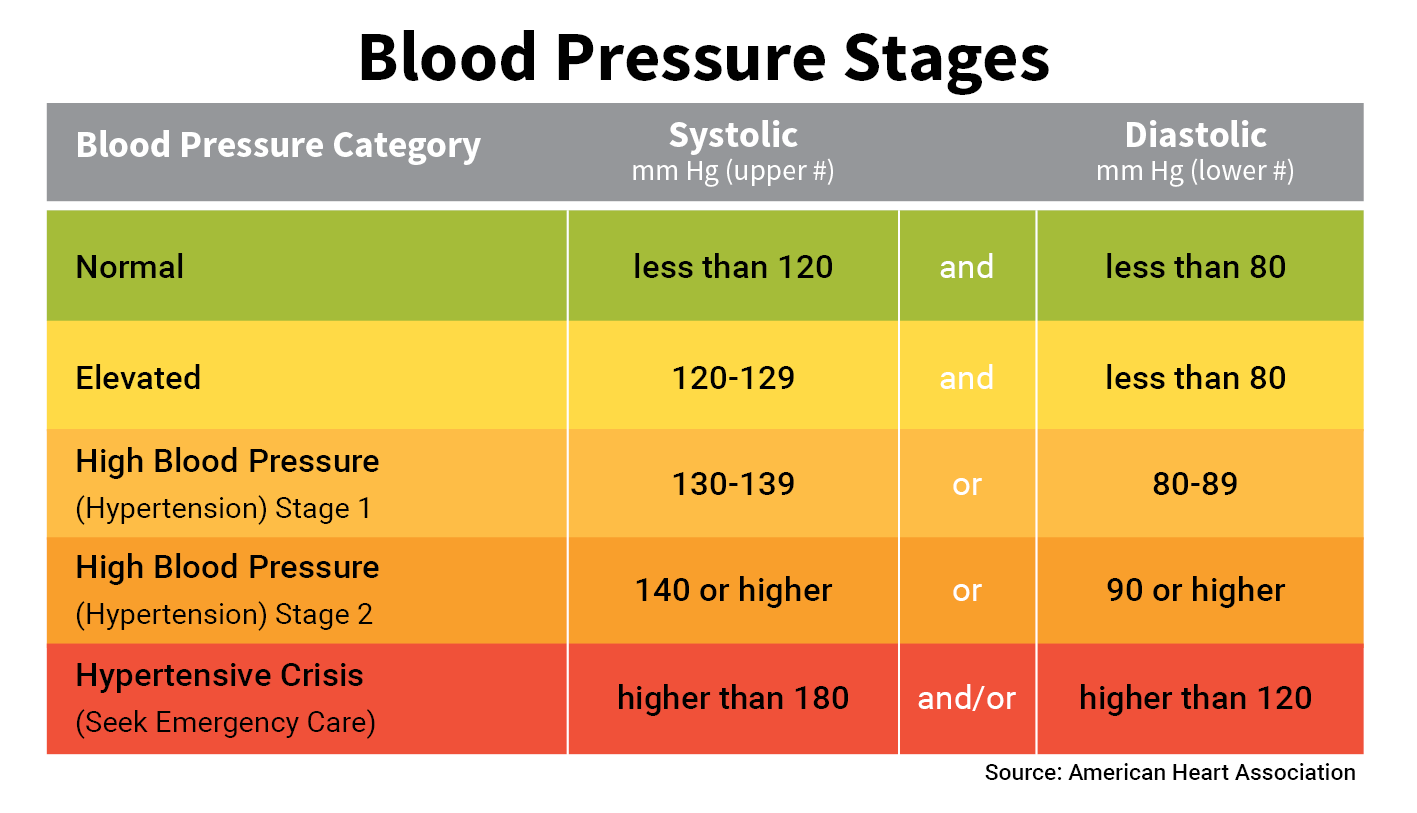
When you get your blood pressure numbers, there are two of them. The first, or “top” one, is your systolic blood pressure. The second, or “bottom,” one is diastolic blood pressure.

Knowing both is important and could save your life.

What Does the Systolic Blood Pressure Number Mean?

When your heart beats, it squeezes and pushes blood through your arteries to the rest of your body. This force creates pressure on those blood vessels, and that's your systolic blood pressure.

Here’s how to understand your systolic blood pressure number:

  • Normal: Below 120
  • Elevated: 120-129
  • Stage 1 high blood pressure (also called hypertension): 130-139
  • Stage 2 hypertension: 140 or more
  • Hypertensive crisis: 180 or more. Call 911.

What Does the Diastolic Blood Pressure Number Mean?

The diastolic reading, or the bottom number, is the pressure in the arteries when the heart rests between beats. This is the time when the heart fills with blood and gets oxygen.

This is what your diastolic blood pressure number means:

  • Normal: Lower than 80
  • Stage 1 hypertension: 80-89
  • Stage 2 hypertension: 90 or more
  • Hypertensive crisis: 120 or more. Call 911.

Our chart below has more details.

Even if your diastolic number is normal (lower than 80), you can have elevated blood pressure if the systolic reading is 120-129.

normal to abnormal blood pressure ranges

Blood Pressure Ranges

If you have normal blood pressure, your blood pressure is less than 120/80. Stick with an active lifestyle and healthy diet to keep that going.

Is your blood pressure above the normal range, in either or both systolic and diastolic levels? Your doctor will want to have more than one blood pressure reading before diagnosing hypertension.

Treatments include lifestyle changes, and if that’s not enough, may also include medications.

Lifestyle changes include:

  • Cutting back on sodium. Ask your doctor what your daily sodium limit should be. Read the Nutrition Facts label on food products.
  • Getting more exercise. Studies show benefits with 3-4 sessions per week, each lasting 40 minutes, of aerobic exercise (the kind that makes your heart beat faster).
  • Losing weight, if you’re overweight. You can expect to shave about 1 point off your blood pressure numbers for each pound lost.
  • Eating a healthy diet. The DASH diet is designed to improve blood pressure. DASH stands for Dietary Approaches to Stop Hypertension. It favors vegetables, fruits, whole grains, low-fat dairy, poultry, fish, and chicken.
  • Limiting alcohol to no more than one drink a day for women or two for men.

Thursday, July 1, 2021

ஐய்யப்பா...! எந்த மலை சேவித்தாலும் --- Endha Malai Sevithalum -- Ayyapp...

சபரிநாயகா சரணம் சரணம் என்று உருகி ஒருமுறை கூறினால்/கூவினால் சபரிநாயகா சரணம் சரணம் என்று உருகி ஒருமுறை கூறினால்/கூவினால் சகல வினைகளும், சகல குறைகளும், சகல பிணிகளும் அகலுமாம் சபரிநாயகா சரணம் சரணம் என்று உருகி ஒருமுறை கூறினால் சகல வினைகளும், சகல குறைகளும், சகல பிணிகளும் அகலுமாம் மதகஜானனா குக சகோதரா வருக வருக என வாழ்த்தினால் மதகஜானனா குக சகோதரா வருக வருக வருக என வாழ்த்தினால் மனமகிழ்ந்து முன் வந்து நின்று அருள் தந்து நல்வழி காட்டுவான் மதகஜானனா குக சகோதரா வருக வருக என வாழ்த்தினால் மனமகிழ்ந்து முன் வந்து நின்று அருள் தந்து நல்வழி காட்டுவான் சுவாமியே சரணம் சுவாமியே சரணம் சுவாமியே சரணம் ஐயப்பா சுவாமியே சரணம் சுவாமியே சரணம் சுவாமியே சரணம் ஐயப்பா சுவாமியே சரணம் சுவாமியே சரணம் சுவாமியே சரணம் ஐயப்பா சுவாமியே சரணம் சுவாமியே சரணம் சுவாமியே சரணம் ஐயப்பா சுவாமியே சரணம் சுவாமியே சரணம் சுவாமியே சரணம் ஐயப்பா சுவாமியே சரணம் சுவாமியே சரணம் சுவாமியே சரணம் ஐயப்பா சுவாமியே சரணம் ஐயப்பா சுவாமியே சரணம் ஐயப்பா சுவாமியே சரணம் ஐயப்பா ஐயப்பா………………..


தர்மசாஸ்தா, கலியுகவரதன்,பம்பாவாசன்,மணிகண்டன் என்று பலவாறாக போற்றித் துதிக்கப்படும் சுவாமி ஐயப்பன், தன்னை நாடி வரும் பக்தர்களின் குறை தீர்த்துக் காப்பவர். மேலும் இவர் ஹரிஹரபுத்திரனாக அறியப்படுகிறார். இது எப்படிச் சாத்தியம், என்ற பலரின் ஐயத்தைப் போக்கச் சில குறிப்புகளைக் காண்போம். இங்கு நாம் கவனத்தில் கொள்ள வேண்டியது, ஹரி என்பது சக்தி அம்சமாகும். சித்தாந்தங்களின்படி,சிவபெருமானின் சக்தியானது சாந்தமயமாக எழுந்தருள்கையில் உமாதேவியாகவும்,கோபங்கொள்கையில் காளியாகவும்,போரிடுகையில் துர்கையாகவும்,புருஷத்துவத்துடன் எழுந்தருள்கையில் விஷ்ணு/ஹரியாகவும் விளங்குவதாகவும் கூறுகிறது.‘அரியல்லால் தேவியில்லை ஐயன் ஐயாறனார்க்கே’என்ற அப்பர் பெருமானின் தேவார அடியும் ஈண்டு சிந்திக்கத்தக்கது. ஆகையால், சிவபெருமான் தன் சக்தியைக் கொண்டு, தன் நெற்றிக்கண்ணில் இருந்து முருகப்பெருமானை அவதரிக்கச் செய்ததைப் போன்று, தன் சக்தியைக் கொண்டே பகவான் ஐயப்பனையும் அவதரிக்கச் செய்ததை அறியலாம். கந்தபுராணமானது, சிவகுமாரர்களான விநாயகர், முருகப்பெருமான், ஆகியோருக்கு இளவலாக தர்மசாஸ்தா கொள்ளப்படுவார் என்றும் பூரணை புஷ்கலா தேவியருடன் மதக்களிற்றில் அருள் பாலிக்கிறார் என்றும் கூறுகிறது. மேலும் பிள்ளையாரை கணங்களுக்குத் தலைவர் என்றும், முருகன் தேவசேனைகளுக்குத் தலைவர் என்றும், ஐயன் பூதப்படைகளுக்கும் உலகத்தில் வாழும் பூதர்களுக்கும் தலைவர் எனவும் காஞ்சிப் புராணம் புகழ்கிறது. இதன் ஒரு அங்கமாக, தர்மசாஸ்தாவை, ஐயனார் என்று காவல் தெய்வமாக நாம் வழிபடுவதையும் காணலாம். முருகனுக்கு உள்ள ஆறு படை வீடுகளை போல, ஐயப்பனுக்கும் அறுபடை வீடுகள் உள்ளன. அவை ஆரியங்காவு,அச்சன்கோவில்,குளத்துப்புழா,எரிமேலி,பந்தளம் மற்றும் சபரிமலை ஆகும். இப்படி இன்னும் பல சிறப்புகளைக் கொண்ட ஐயனின் பெருமைகளைப் பாடி, அவரது அருள் பெறுவோம். Singer : Akila Natesan Editor : Bharane Chidambaram Description : Vishalakshi Meyyappan Mani Venkatachalam எந்த மலை சேவித்தாலும் எந்த மலை சேவித்தாலும் தங்கமலை வைபோகம் எங்கயும் நான் கண்டதில்லையே ஐயப்பா எங்கயும் நான் கண்டதில்லையே எந்த மலை சேவித்தாலும் சபரிமலை வைபோகம் எங்கயும் நான் கண்டதில்லையே ஐயப்பா எங்கயும் நான் கண்டதில்லையே கோடி சூரியன் உதிக்கும் மலை கோமளாங்கன் வாழும் மலை கோடி ஜனங்கள் வருகும் மலை குளத்தூர் ஐயன் வாழும் மலை எந்த மலை சேவித்தாலும் தங்கமலை வைபோகம் எங்கயும் நான் கண்டதில்லையே ஐயப்பா எங்கயும் நான் கண்டதில்லையே எந்த மலை சேவித்தாலும் சபரிமலை வைபோகம் எங்கயும் நான் கண்டதில்லையே ஐயப்பா எங்கயும் நான் கண்டதில்லையே பாரில் உள்ளோரெல்லாம் புகழும் மலை பரவசத்தை கொடுக்கும் மலை பாவ வினைகளை தீர்க்கும் மலை பம்பா பாலன் வாழும் மலை எந்த மலை சேவித்தாலும் தங்கமலை வைபோகம் எங்கயும் நான் கண்டதில்லையே ஐயப்பா எங்கயும் நான் கண்டதில்லையே எந்த மலை சேவித்தாலும் சபரிமலை வைபோகம் எங்கயும் நான் கண்டதில்லையே ஐயப்பா எங்கயும் நான் கண்டதில்லையே சபரிநாயகா சரணம் சரணம் என்று உருகி ஒருமுறை கூறினால்/கூவினால் சபரிநாயகா சரணம் சரணம் என்று உருகி ஒருமுறை கூறினால்/கூவினால் சகல வினைகளும், சகல குறைகளும், சகல பிணிகளும் அகலுமாம் சபரிநாயகா சரணம் சரணம் என்று உருகி ஒருமுறை கூறினால் சகல வினைகளும், சகல குறைகளும், சகல பிணிகளும் அகலுமாம் மதகஜானனா குக சகோதரா வருக வருக என வாழ்த்தினால் மதகஜானனா குக சகோதரா வருக வருக வருக என வாழ்த்தினால் மனமகிழ்ந்து முன் வந்து நின்று அருள் தந்து நல்வழி காட்டுவான் மதகஜானனா குக சகோதரா வருக வருக என வாழ்த்தினால் மனமகிழ்ந்து முன் வந்து நின்று அருள் தந்து நல்வழி காட்டுவான் சுவாமியே சரணம் சுவாமியே சரணம் சுவாமியே சரணம் ஐயப்பா சுவாமியே சரணம் சுவாமியே சரணம் சுவாமியே சரணம் ஐயப்பா சுவாமியே சரணம் சுவாமியே சரணம் சுவாமியே சரணம் ஐயப்பா சுவாமியே சரணம் சுவாமியே சரணம் சுவாமியே சரணம் ஐயப்பா சுவாமியே சரணம் சுவாமியே சரணம் சுவாமியே சரணம் ஐயப்பா சுவாமியே சரணம் சுவாமியே சரணம் சுவாமியே சரணம் ஐயப்பா சுவாமியே சரணம் ஐயப்பா சுவாமியே சரணம் ஐயப்பா சுவாமியே சரணம் ஐயப்பா ஐயப்பா………………..


https://www.youtube.com/watch?v=bwboOaM721o&ab_channel=KANNANGNATH.%E0%B4%95%E0%B4%B2%E0%B4%BE%E0%B4%95%E0%B4%BE%E0%B4%B0%E0%B5%BB.
============================

  அகரமு மாகி யதிபனு மாகி யதிகமு மாகி ...... அகமாகி அயனென வாகி அரியென வாகி அரனென வாகி ...... அவர்மேலாய் இகரமு மாகி யெவைகளு மாகி யினிமையு மாகி...